
Agency social media marketing has evolved from simple post scheduling into a sophisticated discipline that requires technical expertise, creative innovation, and data-driven decision-making. In 2026, businesses rely on specialized agencies and professional services to navigate the complex landscape of social platforms, algorithm changes, and audience expectations. Whether managing campaigns for established brands or helping emerging creators build their presence, understanding the full scope of agency social media marketing is essential for achieving measurable results.
Understanding Modern Agency Social Media Marketing
The foundation of effective agency social media marketing starts with recognizing that each platform operates as a distinct ecosystem with unique algorithms, user behaviors, and content formats. Agencies must develop platform-specific strategies rather than applying one-size-fits-all approaches across channels.
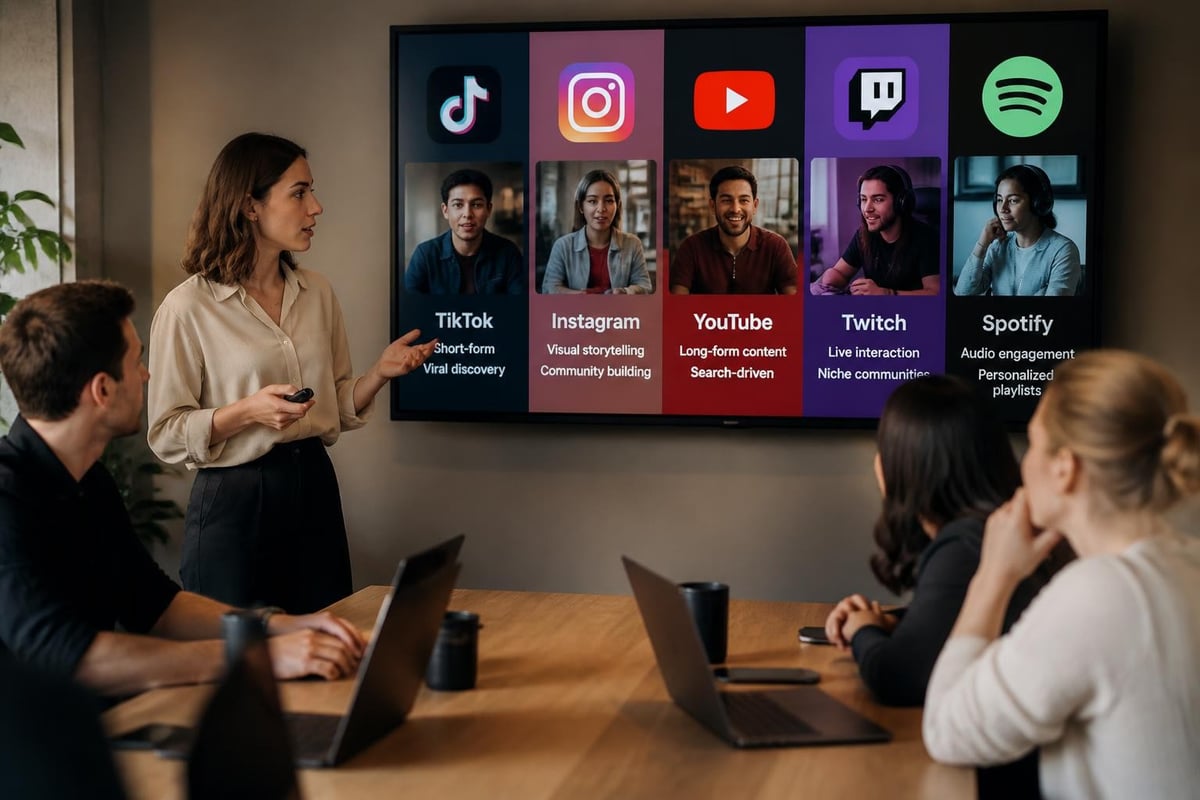
Platform specialization has become increasingly important as social networks diversify their features. TikTok prioritizes short-form video discovery, Instagram balances feed posts with Stories and Reels, YouTube rewards longer viewing sessions, and Twitch builds community through live interaction. Agencies that understand these nuances deliver superior results because they align content strategy with platform mechanics.
Core Components of Agency Social Media Marketing
Successful campaigns integrate multiple elements that work together to amplify reach and engagement:
- Audience research and persona development to identify target demographics
- Content calendar planning with strategic posting schedules
- Creative production including video, graphics, and copywriting
- Community management for responding to comments and messages
- Performance analytics tracking metrics that matter
- Paid advertising integration to boost organic efforts
- Influencer collaboration to expand reach through partnerships
The most effective agency social media marketing strategies treat these components as interconnected rather than isolated tasks. When content creation aligns with audience research and performance data informs creative decisions, campaigns achieve compound growth effects.
Building a Strategic Framework
Every successful agency social media marketing initiative begins with clear objectives and measurable key performance indicators. Without defined goals, campaigns lack direction and waste resources on activities that don't contribute to business outcomes.
Setting SMART Goals for Social Campaigns
| Goal Type | Example Metric | Measurement Method |
|---|---|---|
| Awareness | Impressions, Reach | Platform analytics |
| Engagement | Likes, Comments, Shares | Engagement rate calculation |
| Growth | Follower increase, Subscriber count | Month-over-month comparison |
| Conversion | Click-through rate, Sign-ups | UTM tracking, landing pages |
| Revenue | Sales attributed to social | Attribution modeling |
Agencies must establish baseline metrics before launching campaigns to accurately measure improvement. Building effective social media marketing strategies requires this data-driven foundation to justify budgets and demonstrate ROI to clients.
Platform Selection and Resource Allocation
Not every business needs presence on every platform. Strategic agencies evaluate where target audiences spend time and which platforms align with content strengths. A B2B software company might prioritize LinkedIn and YouTube, while a fashion brand focuses on Instagram and TikTok.
Resource allocation follows platform priorities. If TikTok drives 60% of engagement, it should receive proportional attention in content creation, community management, and advertising spend. This focused approach outperforms spreading resources thinly across numerous channels.
Content Strategy and Creation
Content remains the currency of social media, but the definition of quality content has shifted dramatically. In 2026, agency social media marketing prioritizes authenticity, value delivery, and platform-native formats over polished corporate messaging.
The Authenticity Advantage
Audiences increasingly reject overly produced content that feels disconnected from genuine human experience. Successful agencies help brands find their authentic voice while maintaining professional standards. This balance creates content that resonates emotionally while supporting business objectives.
Behind-the-scenes content, user-generated material, and transparent communication about products or services build trust faster than traditional advertising. Agencies that embrace this shift help clients connect with audiences on a deeper level.

Video-First Content Approaches
Video dominates social media consumption across platforms. TikTok and Instagram Reels prioritize short-form vertical video, YouTube Shorts competes in the same space while supporting long-form content, and even LinkedIn sees increased video engagement.
- Hook viewers in the first three seconds with compelling visuals or questions
- Deliver value quickly before attention wanes
- Use captions since many users watch without sound
- Include clear calls-to-action directing viewers to next steps
- Optimize for mobile viewing with vertical formats and readable text
Agencies investing in video production capabilities and editing expertise position themselves to capitalize on this trend. Understanding how platforms like TikTok prioritize video views helps agencies optimize content for maximum algorithmic reach.
Engagement and Community Management
Agency social media marketing extends far beyond content publishing. The "social" aspect requires active participation in conversations, responding to audience input, and fostering community connections.
Building Genuine Engagement
Authentic engagement creates loyal audiences that amplify brand messages organically. Agencies should implement systematic approaches to community management rather than treating it as an afterthought.
Daily engagement tasks include responding to comments within 24 hours, answering direct messages, monitoring brand mentions, and participating in relevant conversations. This consistent presence signals that real people operate accounts and care about audience input.
| Engagement Activity | Frequency | Impact Level |
|---|---|---|
| Comment responses | Daily | High |
| DM management | Daily | High |
| Story/poll creation | 2-3x weekly | Medium |
| Live sessions | Weekly or monthly | High |
| User content features | Weekly | Medium |
Implementing proven strategies to improve social media engagement transforms passive audiences into active communities that contribute to organic growth.
Handling Negative Feedback
Professional community management includes addressing criticism constructively. Agencies should develop response protocols that acknowledge concerns, offer solutions when appropriate, and maintain brand reputation during difficult interactions.
Quick, empathetic responses to complaints often convert frustrated users into brand advocates. Ignoring negative feedback or responding defensively amplifies problems and damages credibility.
Analytics and Performance Optimization
Data analysis separates effective agency social media marketing from random content posting. Agencies must track performance metrics, identify patterns, and continuously optimize based on empirical evidence.
Key Metrics by Objective
Different business goals require different measurement approaches. Vanity metrics like follower counts matter less than actionable data that informs strategic decisions.
- Brand awareness campaigns focus on reach, impressions, and share of voice
- Engagement initiatives track likes, comments, saves, and engagement rate
- Traffic generation measures click-through rates and referral sessions
- Lead generation counts form submissions and qualified prospects
- Sales campaigns attribute revenue to specific social activities
Advanced agencies use attribution modeling to understand how social media influences customer journeys. A user might discover a brand on TikTok, research on Instagram, and finally convert through a YouTube ad. Proper tracking reveals these multi-touch patterns.
A/B Testing and Iteration
Continuous improvement requires systematic testing of variables including posting times, content formats, captions, hashtags, and calls-to-action. Agencies running controlled experiments discover what resonates with specific audiences rather than relying on generic best practices.
Testing should isolate single variables to generate clear insights. Changing both caption style and posting time simultaneously makes it impossible to determine which factor influenced results.
Case Studies and Proven Results
Real-world social media marketing case studies demonstrate how strategic approaches translate into measurable business outcomes. Agencies analyzing successful campaigns identify transferable tactics for their own clients.
One common pattern across successful campaigns involves consistent content output paired with strategic engagement boosting. When quality content receives initial momentum through targeted promotion, algorithms amplify distribution to broader audiences organically.
Leveraging Initial Momentum
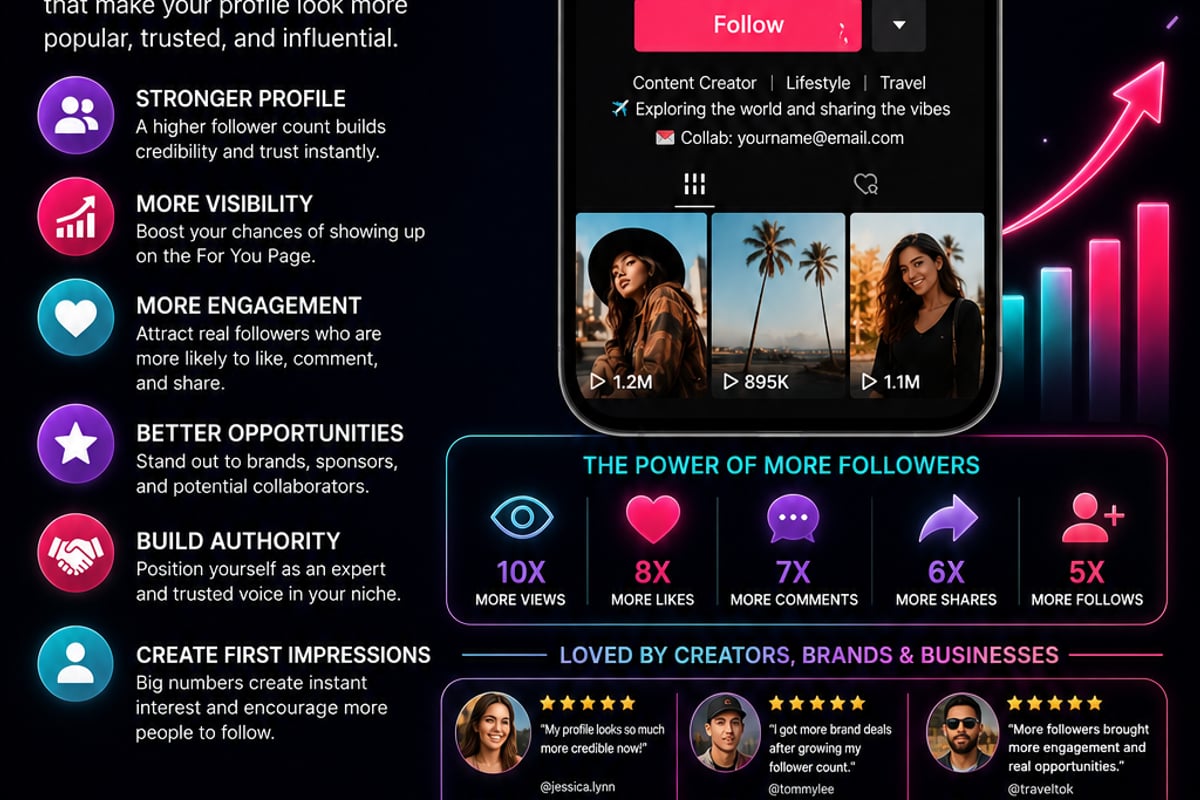
New content faces intense competition for attention in crowded social feeds. Strategic agencies understand that boosting TikTok followers or increasing initial engagement on posts can trigger algorithmic promotion that extends organic reach far beyond paid efforts.
This approach works because platform algorithms interpret early engagement as quality signals. Content that generates quick interaction gets shown to progressively larger audiences through recommendation systems.
Platform-Specific Tactics for 2026
While universal principles apply across social media, each platform requires specialized tactics that align with its unique characteristics and user expectations.
TikTok Marketing Strategies
TikTok's algorithm prioritizes content quality over account size, giving new creators opportunities to reach massive audiences. Agencies should focus on trend participation, sound selection, and rapid-fire content testing.
Successful TikTok approaches include:
- Posting 1-3 times daily to increase algorithmic chances
- Using trending sounds within the first 24-48 hours
- Creating series content that encourages profile visits
- Collaborating with niche creators for authentic partnerships
- Analyzing "For You" page content to identify emerging trends
Instagram Comprehensive Strategy
Instagram requires balancing multiple content formats across feed posts, Stories, Reels, and occasionally Live broadcasts. Agencies must develop cohesive strategies that leverage each format's strengths.
Reels currently receive preferential algorithmic treatment, making them essential for reach. Stories maintain connection with existing followers through daily updates. Feed posts serve as portfolio pieces that define brand aesthetic. Understanding Instagram views dynamics helps agencies optimize content for maximum visibility.
YouTube Long-Term Growth
YouTube success requires patience and consistency because the platform rewards watch time and subscriber loyalty over viral moments. Agencies managing YouTube channels should implement long-term content strategies with clear topic pillars.
- Keyword research to identify search demand
- Compelling thumbnails that drive click-through rates
- Strong introductions that reduce early drop-off
- Strategic playlists that encourage binge-watching
- End screens and cards that promote additional content
Advertising Integration
Organic social media marketing provides foundation, but strategic paid advertising accelerates results and extends reach beyond algorithmic limitations. Modern agency social media marketing integrates organic and paid efforts into cohesive strategies.
Paid Social Advertising Fundamentals
Effective social advertising requires precise targeting, compelling creative, and continuous optimization based on performance data. Agencies should develop testing frameworks that identify winning ad variations before scaling budgets.
| Platform | Best For | Average CPC 2026 |
|---|---|---|
| Facebook/Instagram | Detailed targeting, conversions | $0.50-$2.00 |
| TikTok | Brand awareness, young demographics | $0.30-$1.50 |
| YouTube | Pre-roll, product demonstrations | $0.10-$0.30 |
| B2B, professional services | $2.00-$6.00 | |
| Twitter/X | Trending topics, real-time marketing | $0.40-$1.20 |
Budget allocation should follow performance rather than predetermined splits. If TikTok ads deliver $5 cost per acquisition while Instagram costs $12, resources should shift toward the more efficient channel until performance equalizes.
Retargeting and Custom Audiences
Advanced agencies leverage pixel data and custom audiences to retarget users who previously engaged with content or visited websites. These warm audiences convert at significantly higher rates than cold prospecting.
Retargeting campaigns should use different creative and messaging than initial touchpoints. Users who watched 75% of a video need different persuasion than those who bounced after five seconds.
Collaboration and Team Management
Agency social media marketing requires coordinating specialists across content creation, community management, analytics, and advertising. Effective collaboration systems prevent bottlenecks and maintain consistent output quality.
Building Efficient Workflows
Standardized processes ensure consistent quality even as teams scale. Agencies should document procedures for content approval, crisis response, performance reporting, and client communication.
Essential workflow components include:
- Content calendars with clear ownership and deadlines
- Approval processes that balance quality control with speed
- Asset libraries organizing creative files and brand guidelines
- Communication protocols for urgent issues and regular updates
- Performance dashboards providing real-time campaign visibility
Marketing agencies that systematize operations deliver more consistent results than those relying on individual heroics. Scalable systems allow agencies to serve more clients without proportional staff increases.
Tools and Technology Stack
Modern agency social media marketing depends on technology platforms that streamline publishing, analytics, and collaboration. The right tools multiply team effectiveness and provide competitive advantages.
Essential Agency Tools
- Scheduling platforms for planning and automating posts
- Analytics software aggregating data across channels
- Design tools creating on-brand visual content
- Video editing for short and long-form content
- Social listening monitoring brand mentions and trends
- Project management coordinating team activities
Tool selection should prioritize integration capabilities. Systems that share data reduce manual work and provide holistic performance views. An analytics platform that connects advertising, organic reach, and website conversions reveals complete customer journeys.
Industry Best Practices
Enduring social media best practices provide frameworks that withstand platform changes and algorithm updates. Agencies building strategies on fundamental principles adapt more successfully than those chasing temporary tactics.
Timeless Principles
Quality trumps quantity in 2026. Audiences overwhelmed by content prioritize accounts delivering consistent value over those posting frequently without substance. Three excellent posts weekly outperform seven mediocre ones.
People connect with people, not logos. Brands that showcase human personalities, share authentic stories, and admit imperfections build stronger communities than those maintaining corporate facades. This principle applies whether managing Fortune 500 accounts or helping independent creators grow.
Platform algorithms reward content that keeps users engaged on-platform. External links receive less distribution than native content. Agencies should create value within each platform rather than treating social media solely as traffic sources.
Staying Ahead of Changes
Social media evolves constantly through new features, algorithm adjustments, and shifting user behaviors. Successful agency social media marketing requires continuous learning and adaptation.
Monitoring Industry Developments
Agencies should establish systems for tracking platform announcements, testing new features early, and analyzing competitor strategies. First-mover advantages reward those who adopt new capabilities before saturation.
Professional communities and industry publications provide valuable insights. Marketing agency social media strategies often evolve through shared learning within professional networks.
Following platform creator accounts, testing beta features, and participating in creator programs provides advance notice of upcoming changes. Agencies that prepare for shifts maintain better results than those reacting after changes impact performance.
Cross-Platform Integration
While platform-specific tactics matter, the most effective agency social media marketing creates cohesive experiences across channels. Users encountering consistent messaging and creative styles develop stronger brand recognition.
Adapting Core Content
Smart agencies create content once and adapt it across platforms rather than producing unique material for each channel. A YouTube video becomes Instagram Reels, TikTok posts, Twitter clips, and LinkedIn native video through strategic editing.
This approach maximizes return on production investment while maintaining platform-specific optimization. A 10-minute YouTube video contains multiple 60-second segments perfect for short-form platforms. Behind-the-scenes footage from video shoots provides authentic Story content.
Content atomization workflow:
- Produce flagship content for primary platform
- Identify repurposing opportunities during production
- Edit variations optimized for secondary platforms
- Adjust captions and calls-to-action for each audience
- Schedule strategic posting sequence across channels
Client Relationship Management
Agencies delivering exceptional social media marketing results still fail without strong client relationships. Clear communication, realistic expectations, and transparent reporting build partnerships that withstand inevitable challenges.
Setting Appropriate Expectations
Social media growth rarely follows linear trajectories. Agencies should educate clients about typical timelines, explain algorithmic factors beyond their control, and celebrate meaningful progress rather than arbitrary milestones.
Monthly reporting should highlight both successes and learnings from underperforming content. Transparent communication about challenges builds trust more effectively than presenting overly optimistic narratives. Measuring social media success requires tracking leading indicators like engagement rate and reach alongside lagging metrics like follower growth.
Emerging Opportunities
Forward-thinking agencies identify emerging platforms and trends before mainstream adoption. Early presence on growing networks provides advantages that become impossible once competition intensifies.
Platform Diversification
While established platforms dominate attention, newer networks offer opportunities for brands willing to experiment. Threads, BeReal, and niche platforms serve specific demographics that may align perfectly with certain brands.
The rise of eCommerce-focused communities like Talk Shop demonstrates how specialized platforms create valuable spaces for businesses to connect with ideal customers. Agencies monitoring these developments position clients advantageously.
Audio platforms, virtual reality spaces, and AI-enhanced social experiences represent potential next frontiers. Agencies conducting small-scale experiments gain valuable insights without over-committing resources to unproven channels.
Agency social media marketing in 2026 demands strategic thinking, platform expertise, and continuous adaptation to deliver results in an increasingly competitive landscape. Success requires balancing creative authenticity with data-driven optimization while building genuine community connections. Whether you run campaigns for brands or grow your own account, Viewpals sells promotion across TikTok, YouTube, Instagram, Twitch and Spotify, with a 14-day money-back guarantee and a 14-day refill guarantee.